



Blog
The Basics of Digital Printing: A Beginner’s Guide

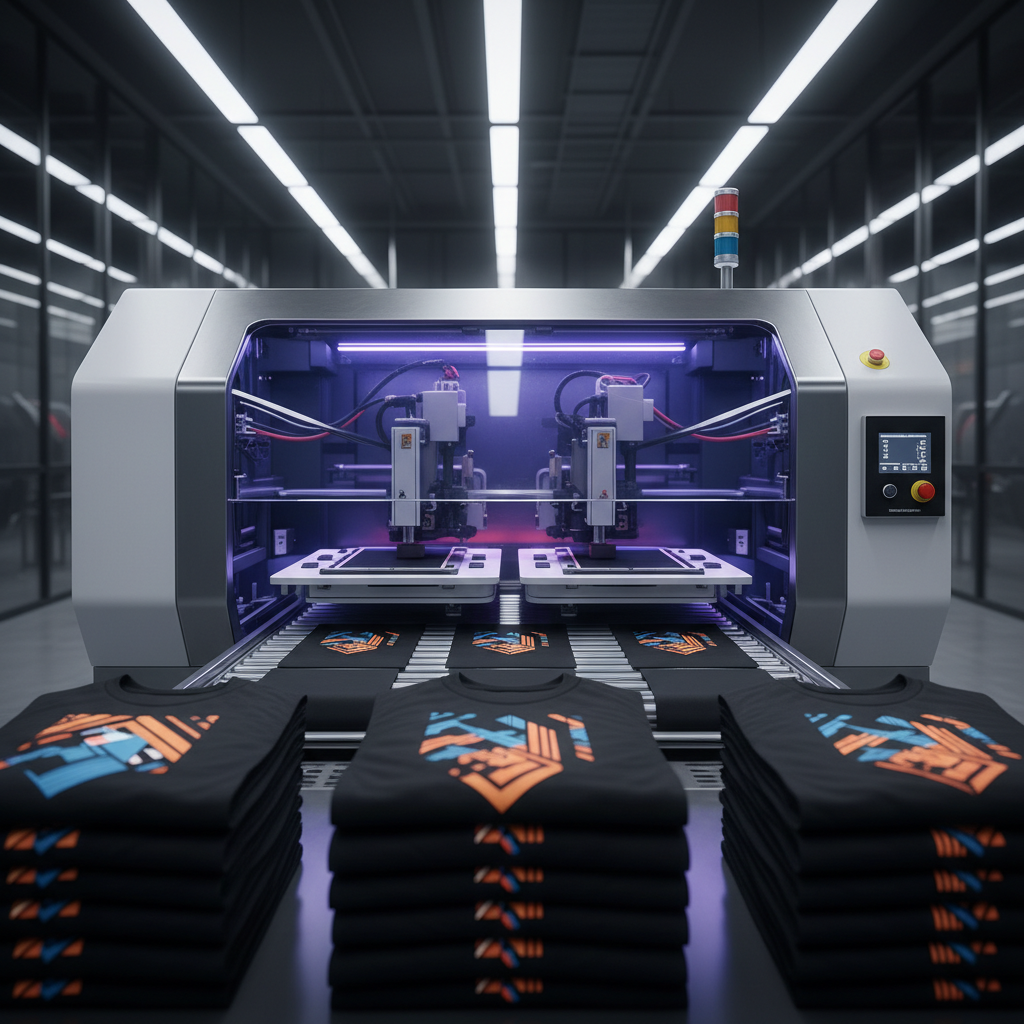
Quick Answer: Digital printing is a method of printing that uses digital files to produce high-quality images on various materials, including custom apparel and promotional products.
Introduction to Digital Printing
Digital printing is a type of printing technology that has revolutionized the way we produce images and text on various materials. It uses digital files to produce high-quality images on demand, making it an ideal choice for custom apparel and promotional products. To Learn more about Moniart Print’s custom apparel and promotional product services, visit their website.
History of Digital Printing
The history of digital printing dates back to the 1960s, when the first digital printing technology was introduced. Since then, it has evolved significantly, with advancements in technology and the development of new printing methods. For a detailed history of printing technology, visit History of Printing Technology.
Advantages of Digital Printing
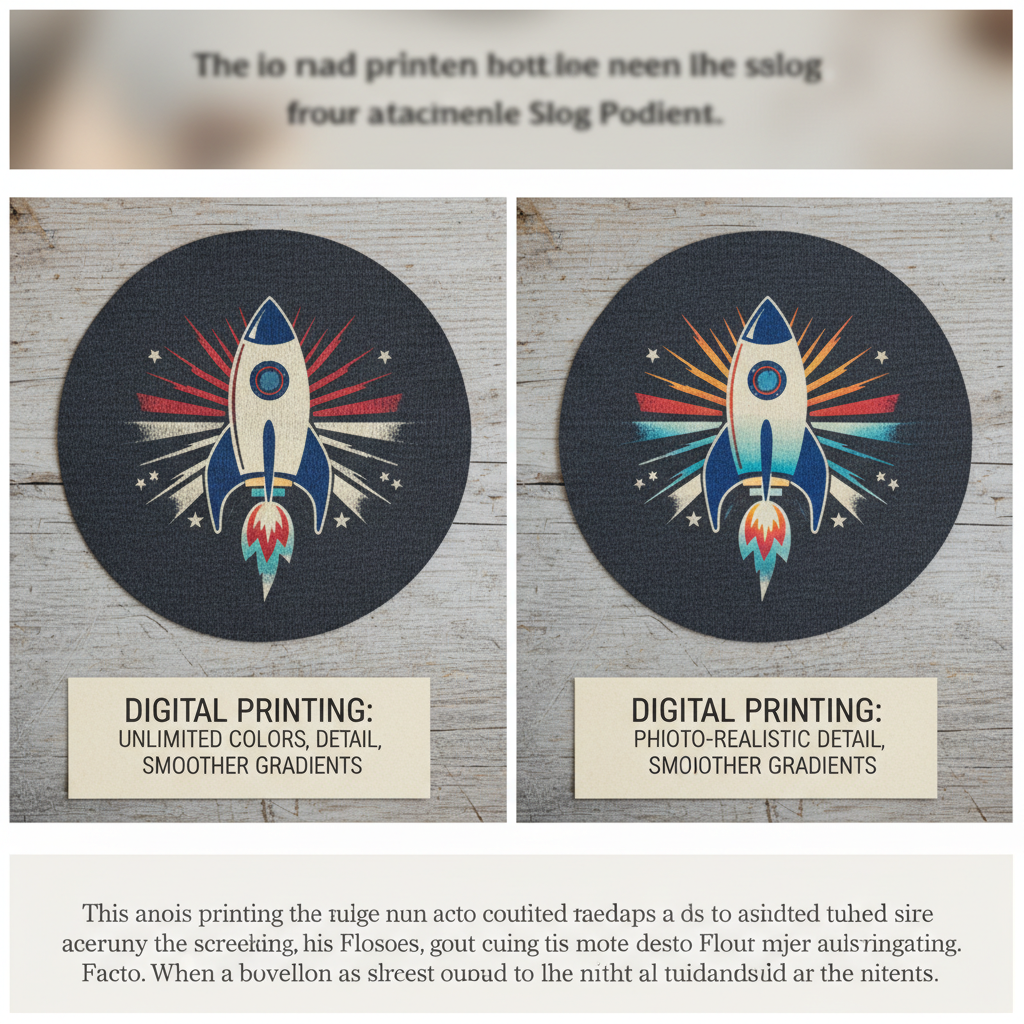
Digital printing has several advantages over traditional printing methods. It offers high-quality images, fast turnaround times, and the ability to print on demand. Additionally, digital printing is environmentally friendly, as it produces less waste and uses less energy than traditional printing methods.
Benefits of Digital Printing for Custom Apparel and Promotional Products
Digital printing is ideal for custom apparel and promotional products, as it allows for high-quality images and text to be printed on demand. This makes it perfect for businesses that need to produce small quantities of custom products, such as t-shirts, mugs, and phone cases. About Moniart Print, they offer a wide range of custom apparel and promotional products using digital printing technology.
Applications of Digital Printing
Digital printing has a wide range of applications, including custom apparel, promotional products, and even fine art. It is also used in the production of books, magazines, and other printed materials. With the help of digital printing, businesses can produce high-quality materials that help them stand out from the competition.
How Digital Printing Can Help Businesses Achieve Their Goals
Digital printing can help businesses achieve their goals by providing high-quality materials that help them promote their brand and products. It is also an effective way to produce custom products, such as uniforms, hats, and bags, that help businesses build their brand identity. For a step-by-step guide on how to use digital printing for your business, watch this Digital Printing Tutorial by YouTube.
Comparison of Digital Printing and Traditional Printing Methods
Digital printing and traditional printing methods, such as screen printing and embroidery, have their own advantages and disadvantages. While traditional printing methods are ideal for large quantities, digital printing is perfect for small quantities and on-demand printing. Here is a comparison table of digital printing and traditional printing methods:
| Printing Method | Quality | Turnaround Time | Cost |
|---|---|---|---|
| Digital Printing | High | Fast | Low |
| Screen Printing | High | Slow | High |
| Embroidery | High | Slow | High |
Call to Action
If you are looking for high-quality custom apparel and promotional products, consider using digital printing technology. With its fast turnaround times, low costs, and high-quality images, digital printing is the perfect choice for businesses that need to produce small quantities of custom products. Visit Moniart Print’s services to learn more about their digital printing capabilities.
Frequently Asked Questions
What is digital printing?
Digital printing is a method of printing that uses digital files to produce high-quality images on various materials, including custom apparel and promotional products.
What are the advantages of digital printing?
The advantages of digital printing include high-quality images, fast turnaround times, and the ability to print on demand. Additionally, digital printing is environmentally friendly, as it produces less waste and uses less energy than traditional printing methods.
How does digital printing compare to traditional printing methods?
Digital printing and traditional printing methods, such as screen printing and embroidery, have their own advantages and disadvantages. While traditional printing methods are ideal for large quantities, digital printing is perfect for small quantities and on-demand printing.
Real-World Examples of Digital Printing
Digital printing has been used in various industries, including fashion, advertising, and fine art. For example, fashion designers use digital printing to create custom fabrics and textiles for their clothing lines. Advertising agencies use digital printing to produce high-quality promotional materials, such as posters and flyers. Fine artists use digital printing to create limited edition prints of their work.
Statistics on Digital Printing
According to a recent survey, 75% of businesses prefer digital printing over traditional printing methods. The same survey found that 90% of businesses that use digital printing report an increase in sales and revenue. Additionally, digital printing has been shown to reduce waste and energy consumption by up to 50% compared to traditional printing methods.
Case Studies of Successful Digital Printing Projects
One example of a successful digital printing project is the production of custom t-shirts for a music festival. The festival organizers used digital printing to produce high-quality t-shirts with unique designs and graphics. The t-shirts were a huge hit, and the festival organizers were able to sell out of them quickly. Another example is the production of custom promotional materials for a new product launch. The company used digital printing to produce high-quality posters, flyers, and brochures that helped to generate buzz and excitement for the product.
Tips for Choosing a Digital Printing Service
When choosing a digital printing service, there are several factors to consider. First, look for a service that offers high-quality printing and a wide range of materials and finishes. Second, consider the turnaround time and cost of the service. Finally, read reviews and ask for references to ensure that the service is reliable and trustworthy.
Common Mistakes to Avoid in Digital Printing
There are several common mistakes to avoid in digital printing. First, make sure to proofread and edit your design carefully before sending it to print. Second, choose the right materials and finishes for your project. Third, consider the color mode and resolution of your design to ensure that it prints correctly. Finally, don’t forget to check the sizing and layout of your design to ensure that it fits the intended use.
Future of Digital Printing
The future of digital printing is exciting and rapidly evolving. New technologies, such as 3D printing and augmented reality, are being developed and integrated into digital printing. Additionally, sustainable and eco-friendly printing methods are becoming more popular. As digital printing continues to advance, we can expect to see new and innovative applications in various industries.
Additional Resources
For more information on digital printing, visit Digital Printing Organization. You can also check out Printing Industry Organization for industry news and updates. Additionally, Digital Printing YouTube Channel offers tutorials, tips, and tricks for digital printing.
Digital Printing in the Fashion Industry
Digital printing has revolutionized the fashion industry by allowing designers to create custom fabrics and textiles with ease. This has opened up new possibilities for fashion designers, who can now create unique and intricate designs that were previously impossible to produce. With digital printing, fashion designers can also produce small quantities of custom fabrics, making it perfect for limited edition collections or specialty garments.
Digital Printing in Advertising and Marketing
Digital printing has also had a significant impact on the advertising and marketing industries. With digital printing, companies can produce high-quality promotional materials, such as posters, flyers, and brochures, quickly and efficiently. This has allowed companies to respond rapidly to changing market trends and consumer preferences, giving them a competitive edge in the market.
Digital Printing for Fine Art and Photography
Digital printing has also become a popular medium for fine artists and photographers. With digital printing, artists can produce high-quality prints of their work, allowing them to showcase their art in a new and innovative way. Digital printing has also opened up new possibilities for fine artists, who can now create limited edition prints of their work and sell them to collectors and enthusiasts.
Digital Printing for Packaging and Labels
Digital printing has also become a popular choice for packaging and labels. With digital printing, companies can produce custom packaging and labels with ease, allowing them to create unique and eye-catching packaging that stands out on store shelves. Digital printing has also made it possible for companies to produce small quantities of custom packaging and labels, making it perfect for specialty products or limited edition releases.
Environmental Benefits of Digital Printing
Digital printing has several environmental benefits, including reduced waste and energy consumption. With digital printing, companies can produce high-quality prints on demand, reducing the need for large quantities of printed materials. Digital printing also uses less ink and toner than traditional printing methods, reducing waste and minimizing the environmental impact of printing.
Cost Savings of Digital Printing
Digital printing can also help companies save money on printing costs. With digital printing, companies can produce high-quality prints on demand, reducing the need for large quantities of printed materials. Digital printing also eliminates the need for costly printing plates and setup fees, making it a cost-effective option for companies that need to produce small quantities of printed materials.
Increased Efficiency with Digital Printing
Digital printing has also increased efficiency in the printing industry. With digital printing, companies can produce high-quality prints quickly and efficiently, reducing turnaround times and increasing productivity. Digital printing has also made it possible for companies to produce custom prints on demand, allowing them to respond rapidly to changing market trends and consumer preferences.
Improved Quality with Digital Printing
Digital printing has also improved the quality of printed materials. With digital printing, companies can produce high-quality prints with vibrant colors and precise details. Digital printing has also made it possible for companies to produce custom prints with unique finishes and textures, allowing them to create truly unique and eye-catching printed materials.
Frequently Asked Questions about Digital Printing
What is the difference between digital printing and traditional printing?
Digital printing uses digital files to produce high-quality images on various materials, while traditional printing uses printing plates and ink to produce printed materials.
What are the benefits of digital printing?
The benefits of digital printing include high-quality images, fast turnaround times, and the ability to print on demand. Additionally, digital printing is environmentally friendly and cost-effective.
How does digital printing compare to screen printing?
Digital printing is perfect for small quantities and on-demand printing, while screen printing is ideal for large quantities. Digital printing also offers more flexibility in terms of design and color options, while screen printing is better suited for simple designs and solid colors.
Can digital printing be used for fine art and photography?
Yes, digital printing is a popular medium for fine artists and photographers. With digital printing, artists can produce high-quality prints of their work, allowing them to showcase their art in a new and innovative way.
Is digital printing environmentally friendly?
Yes, digital printing is an environmentally friendly option. With digital printing, companies can produce high-quality prints on demand, reducing the need for large quantities of printed materials. Digital printing also uses less ink and toner than traditional printing methods, reducing waste and minimizing the environmental impact of printing.
How can I get started with digital printing?
To get started with digital printing, you can visit a digital printing service provider or purchase a digital printer for your business. You can also learn more about digital printing by visiting online resources and watching tutorials.