



Blog
The Ultimate Guide to Workwear: Choosing the Right Uniform for Your Industry

What is Workwear and Why is it Important?
Workwear refers to the uniforms and protective clothing worn by employees in various industries. We’ve found that choosing the right workwear is crucial for employee safety, comfort, and productivity. In fact, according to the Occupational Safety and Health Administration, workplace injuries and illnesses can be significantly reduced with proper workwear.
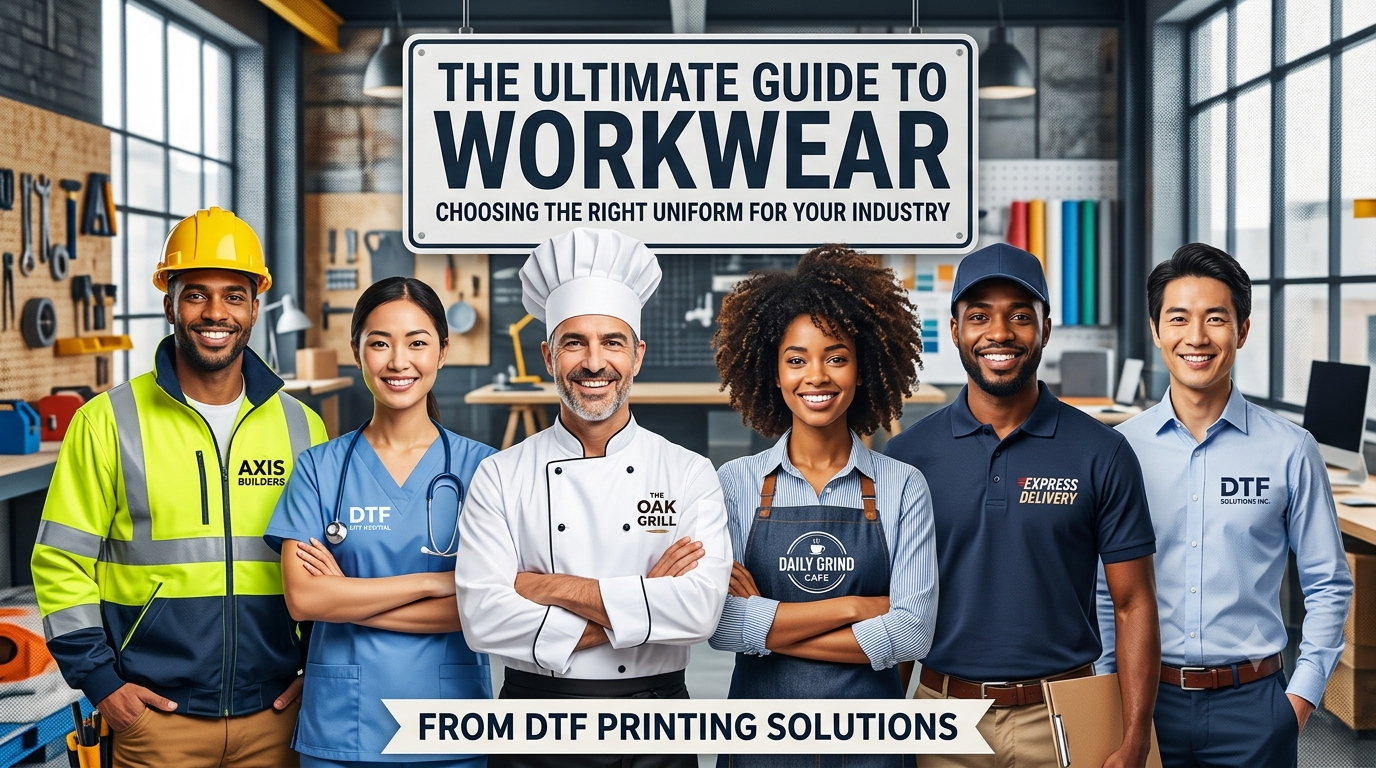
When it comes to workwear, you’ll want to consider the specific needs of your industry. For example, construction workers require Workwear Uniforms that are durable and provide adequate protection from hazards such as falls and electrical shocks. On the other hand, healthcare professionals need workwear that is comfortable, easy to clean, and resistant to fluids and chemicals.
Key Factors to Consider When Selecting Workwear
So, what are the key factors to consider when selecting workwear for your industry? We’ve identified a few essential considerations: durability, comfort, and safety features. For instance, if you’re in the construction industry, you’ll want workwear that can withstand rough conditions and harsh weather. In contrast, if you’re in the hospitality industry, you’ll want workwear that is comfortable and visually appealing.
Another critical factor is the type of fabric used. Breathable fabrics such as cotton or polyester blends are ideal for warm weather or high-intensity activities, while waterproof fabrics such as nylon or polyester are better suited for outdoor work or wet conditions. You can explore various Workwear Brands to find the perfect fit for your industry.
Popular Workwear Brands and Styles
At Moniart Print, we offer a wide range of workwear brands and styles to suit various industries. From classic uniforms to modern and trendy designs, we’ve got you covered. Some popular workwear brands include Carhartt, Dickies, and Timberland. We also offer customized workwear options to ensure that your uniforms reflect your company’s branding and style.
For example, if you’re in the healthcare industry, you may want to consider workwear with antimicrobial properties to reduce the risk of infection. On the other hand, if you’re in the food service industry, you may want to consider workwear with stain-resistant treatments to make cleaning easier.
Industry-Specific Workwear
Different industries have unique workwear requirements. For instance, construction workers need Workwear Uniforms that are durable and provide adequate protection from hazards such as falls and electrical shocks. In contrast, healthcare professionals need workwear that is comfortable, easy to clean, and resistant to fluids and chemicals.
According to the Bureau of Labor Statistics, the most hazardous industries include construction, manufacturing, and agriculture. Workers in these industries require workwear that meets specific safety standards, such as high-visibility vests, steel-toed boots, and flame-resistant clothing.
Workwear Safety Features
Workwear safety features are crucial for protecting employees from workplace hazards. Some essential safety features include reflective strips, high-visibility colors, and protective padding. For example, if you’re working in a low-light environment, you’ll want workwear with reflective strips to increase visibility.
Another critical safety feature is flame resistance. If you’re working with flammable materials or in an environment with open flames, you’ll want workwear that is flame-resistant to reduce the risk of injury. You can find workwear with these safety features at Workwear Uniforms.
Frequently Asked Questions
Q: What is the most important factor to consider when selecting workwear?
A: The most important factor is the specific needs of your industry. For example, if you’re in the construction industry, you’ll want workwear that is durable and provides adequate protection from hazards.
Q: How often should I replace my workwear?
A: The frequency of replacement depends on the industry and the type of workwear. For example, if you’re in the healthcare industry, you may need to replace your workwear more frequently due to the risk of infection.
Q: Can I customize my workwear with my company’s branding?
A: Yes, many workwear brands offer customization options to ensure that your uniforms reflect your company’s branding and style. You can explore these options at Workwear Brands.
Real-World Case Studies
Let’s take a look at some real-world case studies to illustrate the importance of choosing the right workwear. For example, a construction company in the United States implemented a new workwear program that included high-visibility vests and steel-toed boots. As a result, the company saw a significant reduction in workplace injuries and illnesses.
Another example is a healthcare facility that implemented a new workwear program that included antimicrobial scrubs and lab coats. The facility saw a significant reduction in the spread of infection and an improvement in patient outcomes.
Statistics on Workwear
According to the Occupational Safety and Health Administration, workplace injuries and illnesses can be significantly reduced with proper workwear. In fact, a study by the Bureau of Labor Statistics found that workers who wear proper workwear are less likely to be injured on the job.
Additionally, a study by the National Safety Council found that workers who wear high-visibility workwear are more visible to drivers and other workers, reducing the risk of accidents and injuries.
Deeper Examples of Workwear
Let’s take a closer look at some deeper examples of workwear. For instance, firefighters require workwear that is flame-resistant and provides adequate protection from heat and flames. This includes helmets, coats, and pants that are made with flame-resistant materials and are designed to withstand high temperatures.
Another example is workers in the oil and gas industry, who require workwear that is resistant to chemicals and other hazardous materials. This includes coveralls, gloves, and safety glasses that are designed to protect workers from chemical splashes and spills.
Workwear in Different Industries
Workwear is used in a variety of industries, including construction, manufacturing, healthcare, and hospitality. Each industry has its own unique workwear requirements, and it’s essential to choose workwear that meets the specific needs of your industry.
For example, workers in the construction industry require workwear that is durable and provides adequate protection from hazards such as falls and electrical shocks. In contrast, workers in the hospitality industry require workwear that is comfortable and visually appealing.
Conclusion
In conclusion, choosing the right workwear is crucial for employee safety, comfort, and productivity. It’s essential to consider the specific needs of your industry and choose workwear that meets those needs. By doing so, you can reduce the risk of workplace injuries and illnesses and improve overall job satisfaction.
Additional FAQs
Q: What is the difference between workwear and casual wear?
A: Workwear is designed to provide protection and comfort for workers in various industries, while casual wear is designed for everyday wear.
Q: Can I wear workwear outside of work?
A: While workwear is designed for work, it can also be worn outside of work. However, it’s essential to consider the specific workwear requirements of your industry and choose workwear that is suitable for both work and casual wear.
Q: How do I care for my workwear?
A: To care for your workwear, it’s essential to follow the manufacturer’s instructions. This includes washing and drying the workwear according to the recommended care instructions and avoiding bleach or other harsh chemicals.
New Technologies in Workwear
Recent advancements in technology have led to the development of new and innovative workwear materials and designs. For example, some workwear brands are now using smart fabrics that can detect and respond to changes in the wearer’s body temperature, providing optimal comfort and protection.
Another example is the use of 3D printing technology to create customized workwear that is tailored to the individual worker’s needs. This can include workwear with built-in safety features, such as reflective strips or padded knees, that are designed to provide optimal protection and comfort.
Sustainability in Workwear
Sustainability is becoming an increasingly important consideration in the workwear industry. Many workwear brands are now using eco-friendly materials and production methods to reduce their environmental impact.
For example, some workwear brands are using recycled materials, such as recycled polyester or cotton, to create their workwear. Others are using sustainable production methods, such as solar-powered manufacturing facilities, to reduce their carbon footprint.
Workwear and Employee Morale
Workwear can have a significant impact on employee morale and job satisfaction. When employees feel comfortable and confident in their workwear, they are more likely to be productive and engaged in their work.
On the other hand, when employees are uncomfortable or self-conscious in their workwear, they may be less productive and more likely to experience stress and anxiety. This is why it’s essential to choose workwear that is not only functional and safe but also comfortable and visually appealing.
Workwear and Branding
Workwear can also be an important aspect of a company’s branding and identity. When employees wear workwear that reflects the company’s brand and values, they are more likely to feel a sense of pride and connection to the company.
This is why many companies are now using customized workwear as a way to reinforce their brand and values. By choosing workwear that reflects the company’s brand and style, employees can help to promote the company’s image and values to customers and the wider public.
Future of Workwear
The future of workwear is likely to be shaped by advances in technology and changing workforce demographics. As the workforce becomes more diverse and tech-savvy, there will be a growing demand for workwear that is not only functional and safe but also comfortable, sustainable, and technologically advanced.
One trend that is likely to shape the future of workwear is the use of wearable technology. This could include workwear with built-in sensors and monitoring systems that can track the wearer’s vital signs and provide real-time feedback on their safety and well-being.
Global Workwear Market
The global workwear market is a significant and growing industry. According to a report by Grand View Research, the global workwear market is expected to reach USD 43.9 billion by 2025, growing at a CAGR of 4.5% during the forecast period.
The growth of the workwear market is driven by increasing demand from industries such as construction, manufacturing, and healthcare. The market is also driven by advances in technology and changing workforce demographics, which are creating new opportunities for workwear brands to innovate and expand their product offerings.