



Blog
The Ultimate Guide to Choosing the Right Fabric for Your Custom Apparel Needs

The Ultimate Guide to Choosing the Right Fabric for Your Custom Apparel Needs
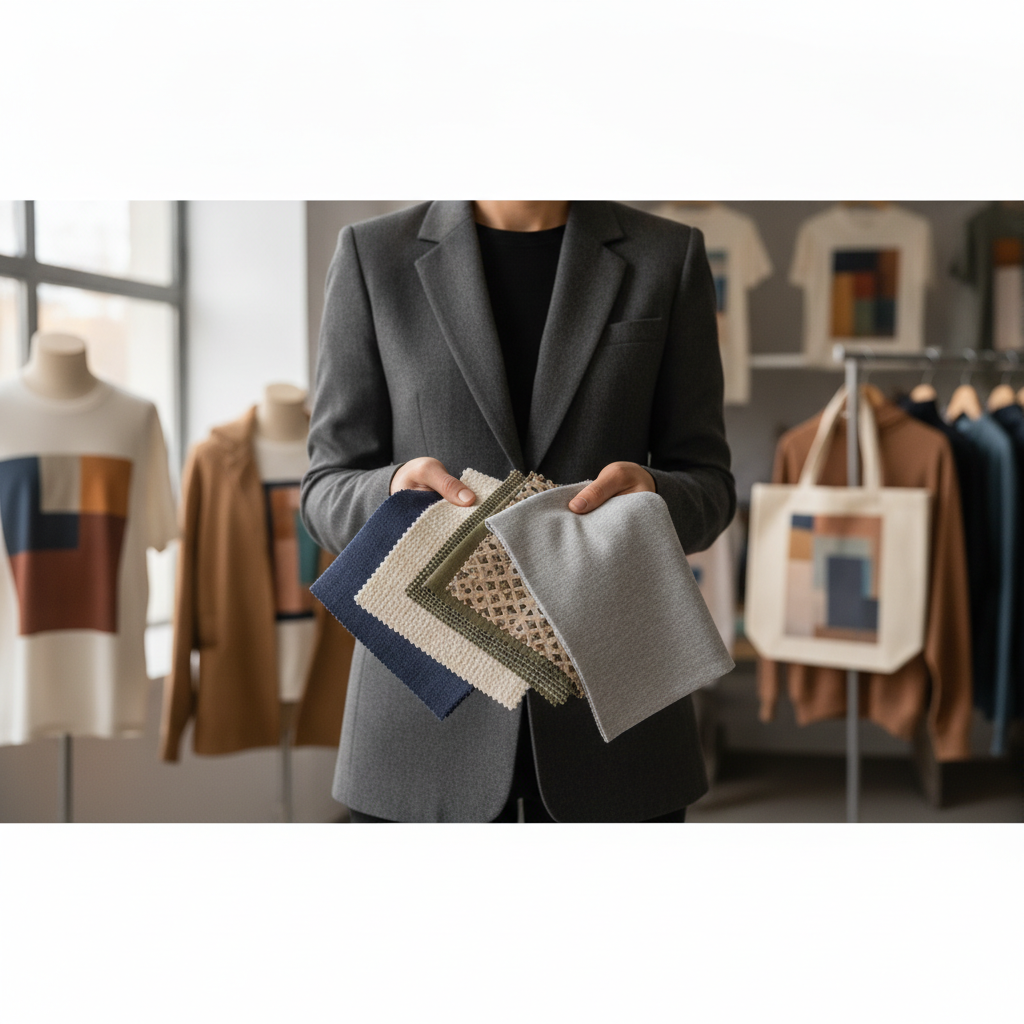
Choosing the right fabric for your custom apparel is a crucial decision that can make or break your brand’s image. With so many fabric options available in the market, it can be overwhelming to select the perfect one that meets your needs. In this comprehensive guide, we’ll walk you through the process of fabric selection and provide you with expert tips to help you make an informed decision.
Understanding Fabric Types
Before diving into the world of custom apparel, it’s essential to understand the different types of fabrics available. Fabrics can be broadly classified into natural fibers, synthetic fibers, and blends.
- Natural Fibers: Cotton, wool, silk, and linen are some of the most common natural fibers used in apparel manufacturing. These fibers are breathable, soft, and gentle on the skin.
- Synthetic Fibers: Polyester, nylon, and acrylic are popular synthetic fibers used in custom apparel. These fibers are durable, wrinkle-resistant, and easy to care for.
- Blends: Blended fabrics combine natural and synthetic fibers to create a unique fabric with desired properties.
Factors to Consider When Selecting a Fabric
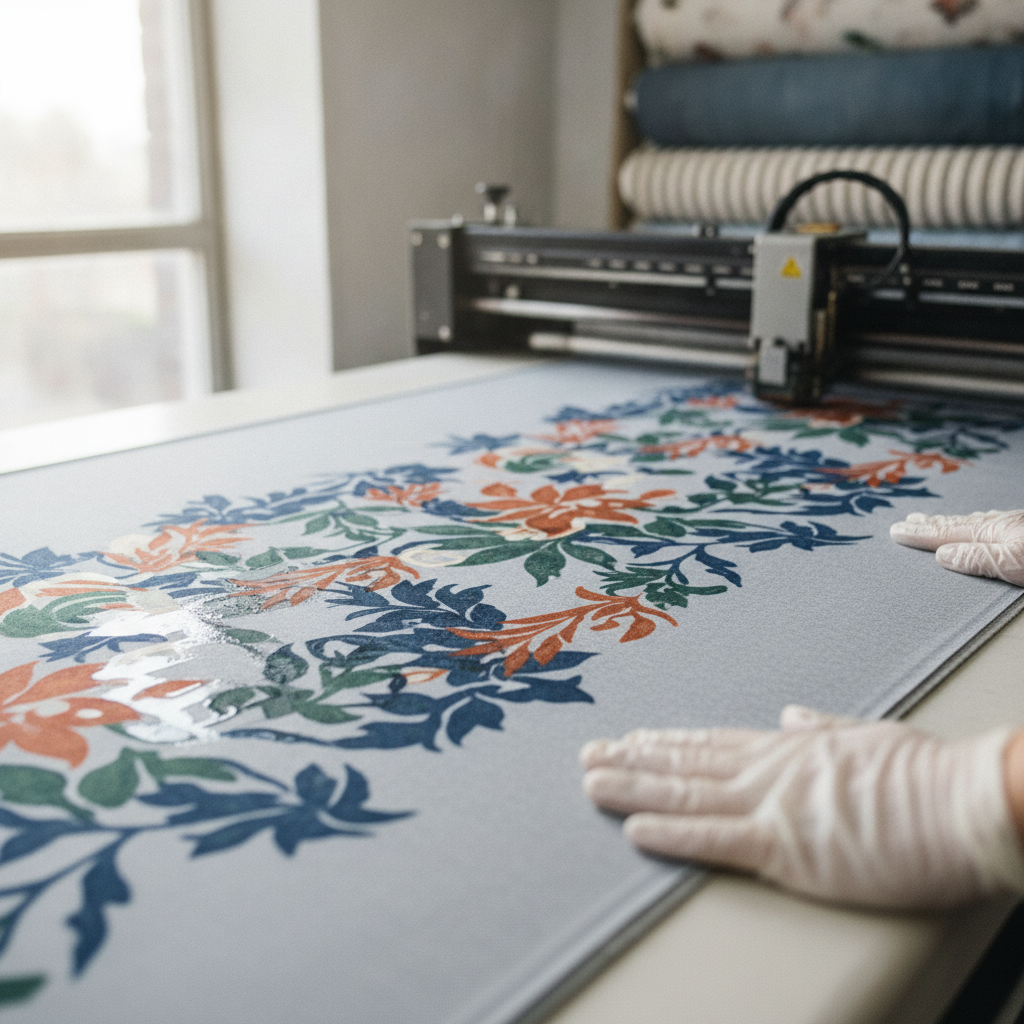
When choosing a fabric for your custom apparel, several factors come into play. Here are some key considerations:
- Comfort: The fabric should be comfortable to wear, breathable, and gentle on the skin.
- Durability: The fabric should be durable and withstand repeated washing and wear.
- Sustainability: With the growing awareness of environmental issues, sustainable fabrics are becoming increasingly popular.
- Cost: The fabric should fit within your budget while meeting your quality standards.
Sustainable Fabrics: A Growing Trend in the Textile Industry
The textile industry is one of the largest polluters in the world, and sustainable fabrics are becoming a growing trend. Sustainable fabrics are made from eco-friendly materials, produced with minimal waste, and designed to reduce environmental impact.
According to Sustainability.gov, sustainable fabrics can help reduce greenhouse gas emissions, conserve water, and reduce waste.
In fact, a study by the Environmental Protection Agency (EPA) found that the textile industry is responsible for:
- 15% of global greenhouse gas emissions
- 20% of global wastewater
- 10% of global raw material consumption
By choosing sustainable fabrics, you can help reduce the environmental impact of your custom apparel.
Types of Sustainable Fabrics
There are many types of sustainable fabrics available, including:
- Organic Cotton: Grown without toxic pesticides or synthetic fertilizers, organic cotton is a popular sustainable fabric choice.
- Recycled Polyester: Made from recycled plastic bottles, recycled polyester reduces waste and conserves natural resources.
- Tencel: A sustainable form of lyocell fiber, Tencel is made from wood pulp and has a low environmental impact.
- Hemp: A highly durable and versatile fabric, hemp requires less water and pesticides than traditional cotton.
Benefits of Sustainable Fabrics
Sustainable fabrics offer numerous benefits, including:
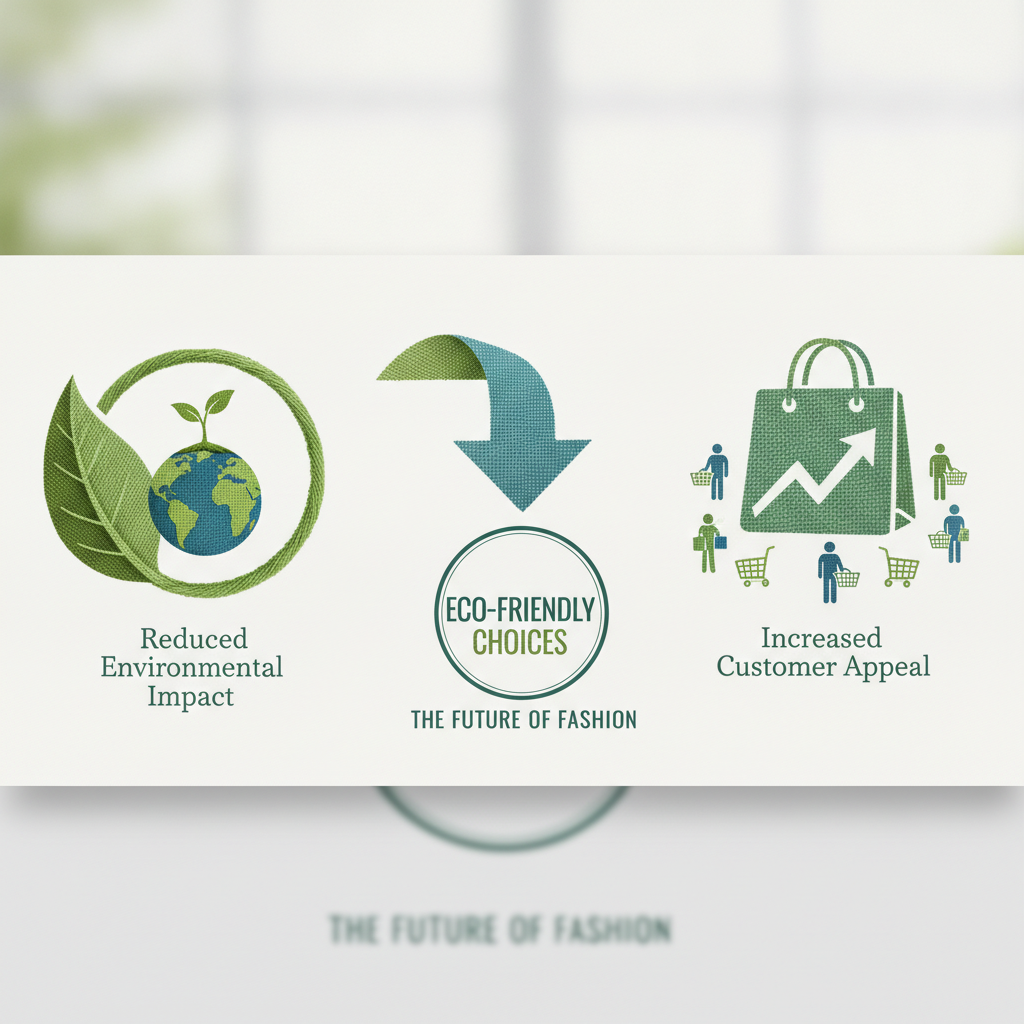
- Reduced Environmental Impact: Sustainable fabrics reduce waste, conserve natural resources, and minimize environmental harm.
- Improved Brand Image: By choosing sustainable fabrics, you can enhance your brand’s reputation and appeal to eco-conscious consumers.
- Compliance with Regulations: Sustainable fabrics can help you comply with environmental regulations and reduce the risk of non-compliance.
Working with a Printing Partner: Tips for Choosing the Right Fabric
When working with a printing partner to create custom apparel, it’s essential to choose the right fabric that meets your needs. Here are some expert tips:
- Discuss Your Needs: Clearly communicate your needs and expectations to your printing partner.
- Consider the End-Use: Consider the end-use of the apparel and choose a fabric that meets those needs.
- Ask About Fabric Options: Ask your printing partner about different fabric options and their characteristics.
Popular Fabrics for Custom Apparel
Here are some popular fabrics used for custom apparel:
| Fabric | Characteristics | Suitable Applications |
|---|---|---|
| Cotton | Breathable, soft, and gentle on the skin | T-shirts, hoodies, and casual wear |
| Polyester | Durable, wrinkle-resistant, and easy to care for | Activewear, sportswear, and outdoor gear |
| Blends | Combines natural and synthetic fibers | Workwear, uniforms, and promotional products |
| Organic Cotton | Sustainable, eco-friendly, and gentle on the skin | Eco-friendly apparel, sustainable fashion, and environmentally responsible products |
| Recycled Polyester | Durable, wrinkle-resistant, and eco-friendly | Activewear, sportswear, and outdoor gear with an eco-friendly twist |
Real-World Case Studies
Here are some real-world case studies that demonstrate the importance of fabric selection:
- Patagonia: The outdoor apparel brand is known for its sustainable fabrics and environmentally responsible manufacturing practices.
- Reformation: The fashion brand uses sustainable fabrics and practices to reduce its environmental impact.
- Birkenstock: The footwear brand uses eco-friendly materials and sustainable manufacturing practices to create comfortable and sustainable shoes.
Best Practices for Fabric Selection
Here are some best practices for fabric selection:
- Research and Development: Stay up-to-date with the latest fabric technologies and trends.
- Quality Control: Ensure that your fabrics meet quality standards and regulatory requirements.
- Supply Chain Transparency: Work with suppliers who prioritize sustainability and transparency.
Common Fabric Selection Mistakes
Here are some common fabric selection mistakes to avoid:
- Not Considering the End-Use: Failing to consider the end-use of the apparel can lead to poor fabric choices.
- Ignoring Sustainability: Overlooking sustainability can harm your brand’s reputation and environmental impact.
- Not Communicating with Your Printing Partner: Failing to communicate your needs and expectations can lead to fabric selection errors.
Frequently Asked Questions
- Q: What is the most comfortable fabric for custom apparel?
- A: Cotton is generally considered one of the most comfortable fabrics for custom apparel.
- Q: What is the most sustainable fabric for custom apparel?
- A: Sustainable fabrics vary depending on the application, but some popular options include organic cotton, recycled polyester, and Tencel.
- Q: How do I choose the right fabric for my custom apparel needs?
- A: Consider factors such as comfort, durability, sustainability, and cost when selecting a fabric for your custom apparel.
- Q: What is the difference between natural and synthetic fibers?
- A: Natural fibers come from natural sources such as cotton, wool, and silk, while synthetic fibers are man-made and made from chemical compounds.
- Q: Can I use a blend of fabrics for my custom apparel?
- A: Yes, blended fabrics can offer a unique combination of properties and can be a great option for custom apparel.
If you’re looking for expert advice on choosing the right fabric for your custom apparel needs, Get in Touch with Our Team for Personalized Fabric Recommendations. At Moniart Print, we offer a wide range of custom apparel services, including Learn More About Our Custom Apparel Services.